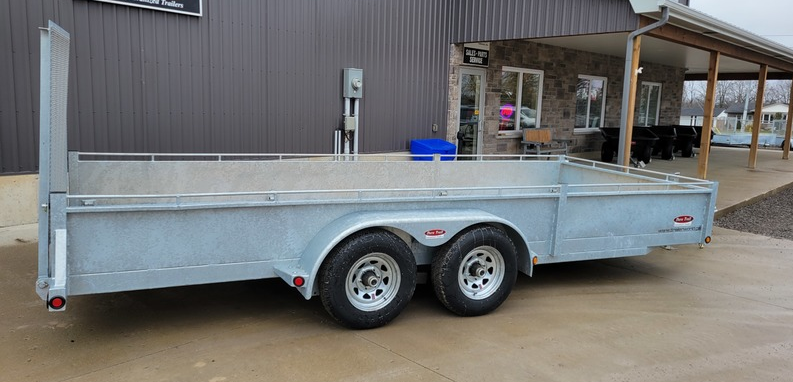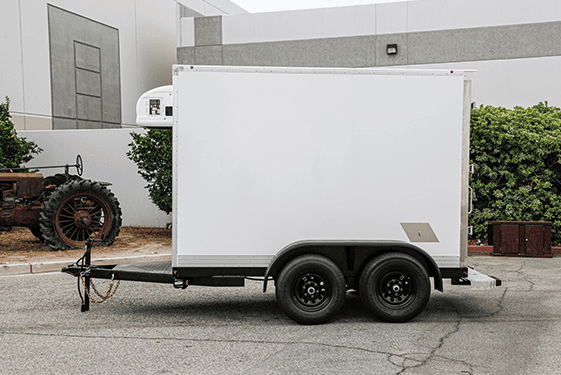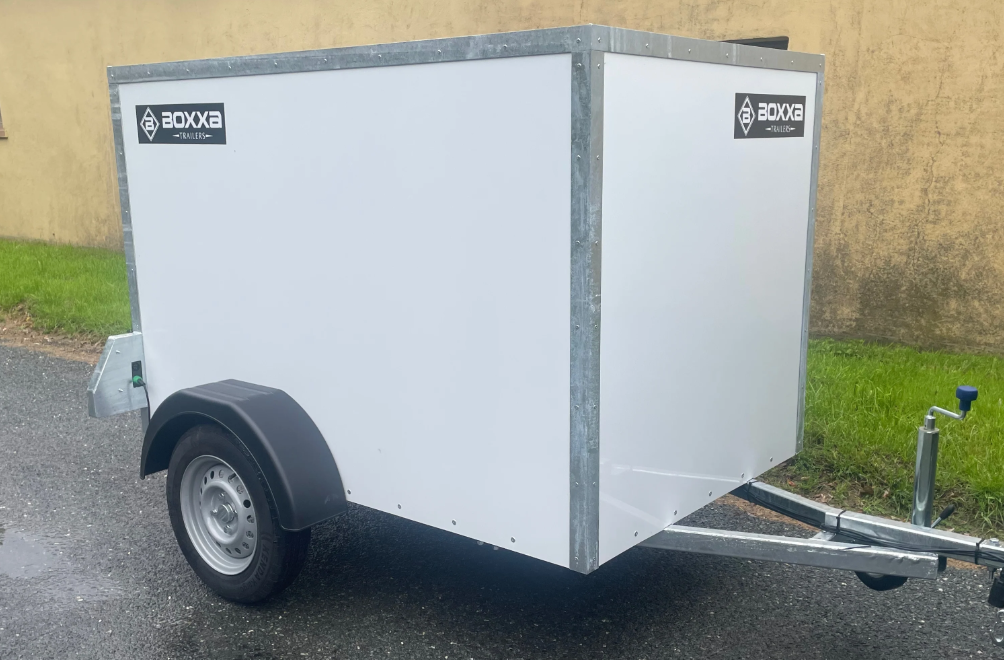
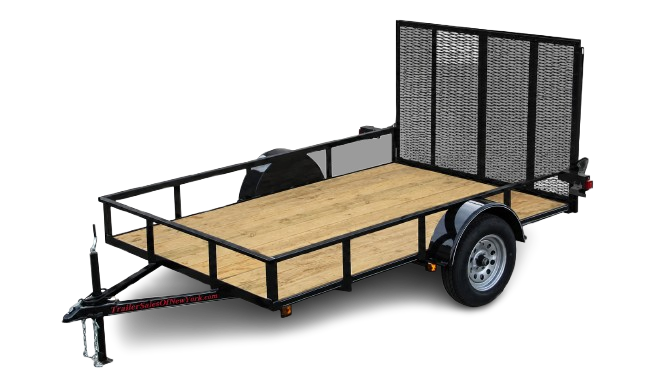
Here’s to Smooth hauling
Built to carry. Engineered to last
Built with Purpose. Backed by Pride.
Our trailers are engineered to perform in real-world conditions from saltwater environments to long highway hauls. We combine proven manufacturing practices with modern innovation to produce trailers that are reliable, easy to use, and built to last.
Designed for Confidence
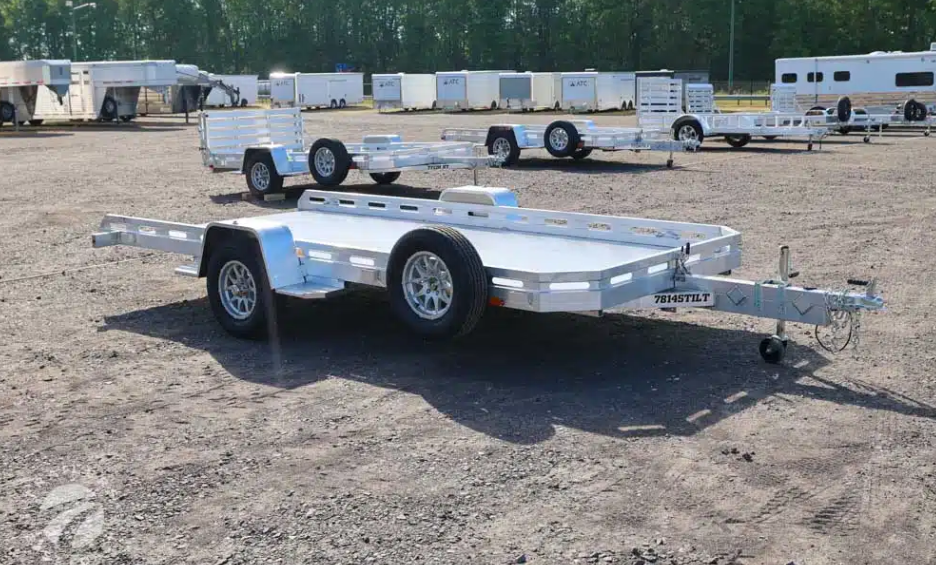
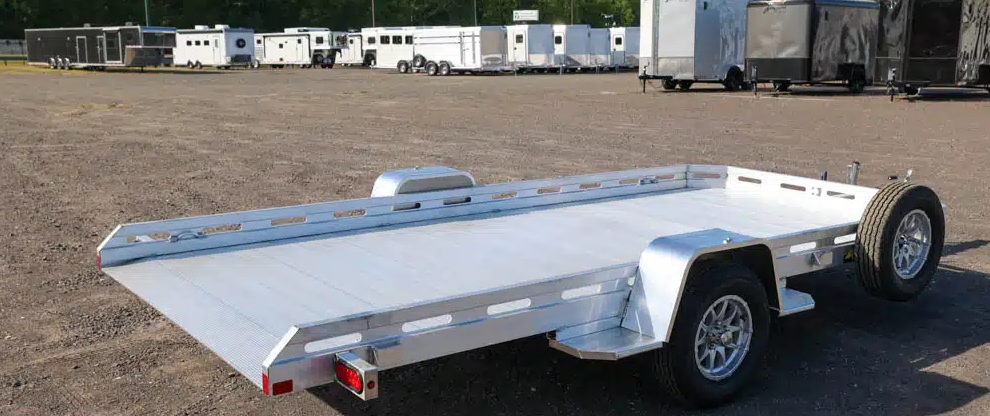
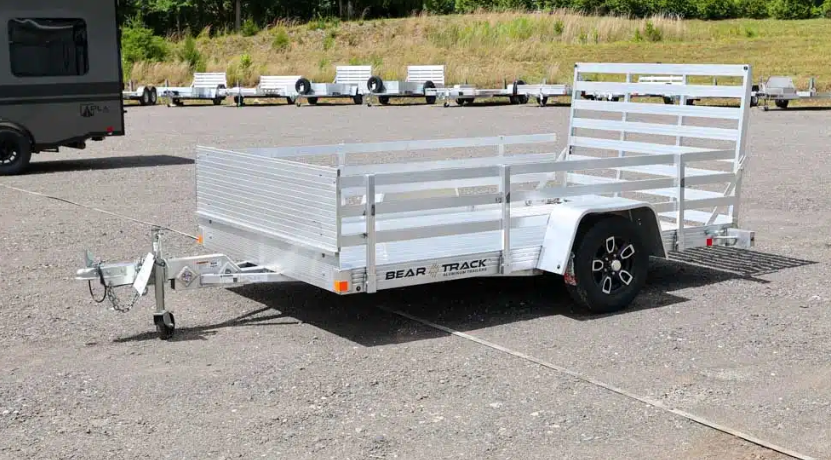
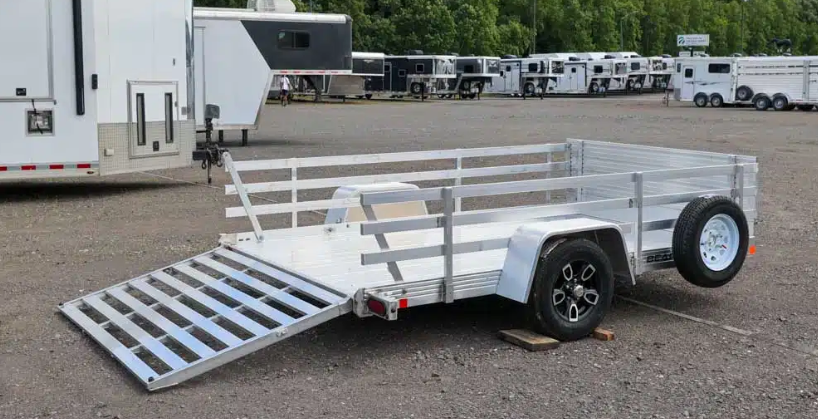
At Next Stop Trailers, we provide an extensive selection of durable utility, cargo, and specialty trailers built for the road ahead. Whether you are hauling equipment for work or gear for the weekend, we match you with the right setup to get the job done safely.
-
Top-Quality Inventory: New and pre-owned trailers engineered for maximum strength and reliability.
-
Custom Orders & Parts: Can't find what you need on the lot? We build custom setups and stock a full line of replacement parts.
-
Transparent Service: Honest pricing, expert advice, and zero runaround.
-
ShortFree™ Lighting
-
17-Step Powder Coat Finish
-
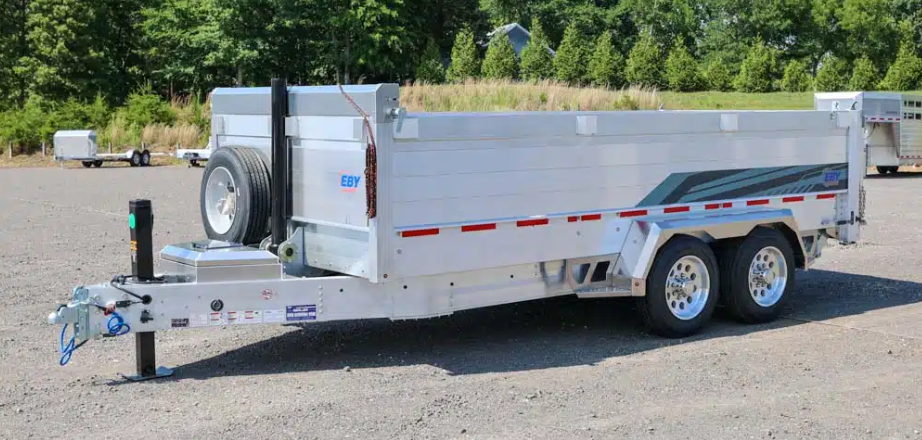
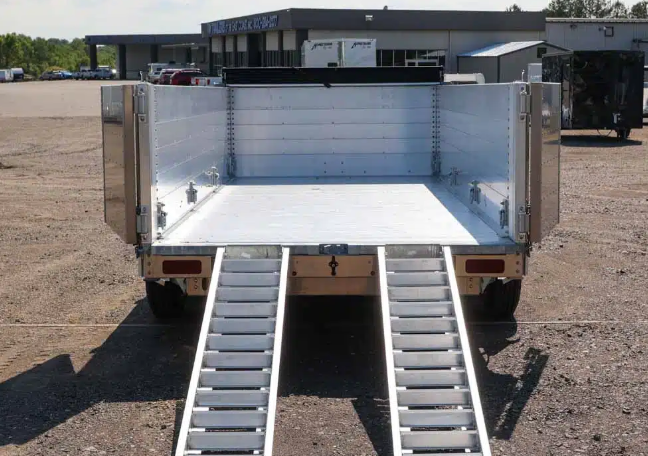
Patented Fold-Down Rails
Ready to haul? Browse our current inventory online or stop by the lot today to find your next trailer.
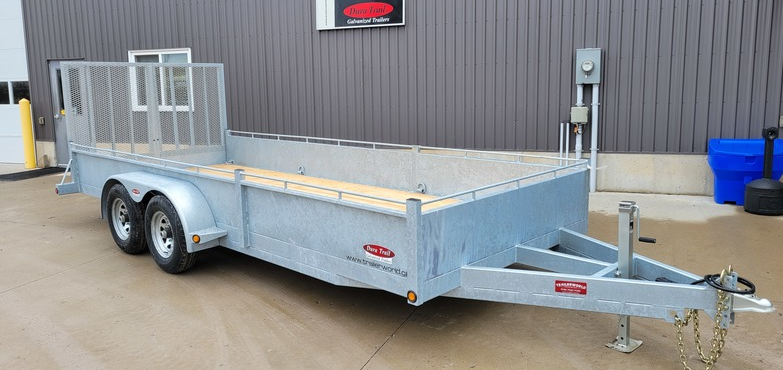
AVAILABLE TRAILERS
Why do people trust our company?
When you’re investing in equipment to haul your livelihood, your business assets, or your weekend gear, trust isn't given—it’s earned. At Next Stop Trailers, we’ve built our reputation on a foundation of reliability, transparency, and a genuine commitment to our community.
HighLiner Trailers
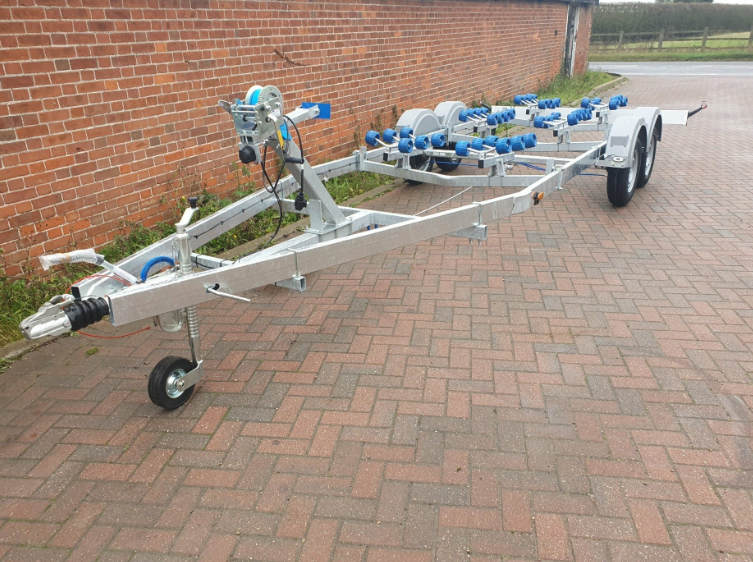
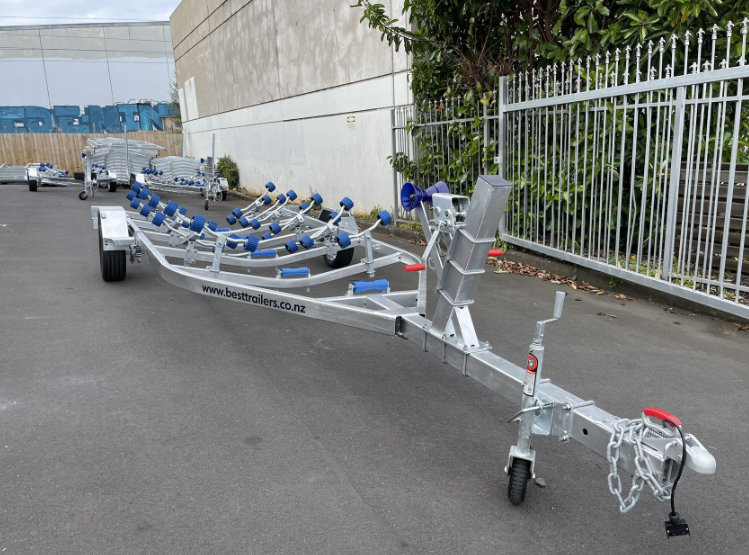
We offer quality aluminum boat trailers for hundreds of boat models in both fully welded and adjustable style trailers.
Catamaran Trailers
Catamaran trailers are engineered specifically for the unique hull design and weight distribution of twin-hull vessels.
Uitility trailers
Uitility trailers are engineered specifically for the unique shape of a pontoon. Our customized, welded aluminum and galvanized pontoon boat trailers can accommodate a wide range of boat sizes and designs.
Galvanized Boat Trailers
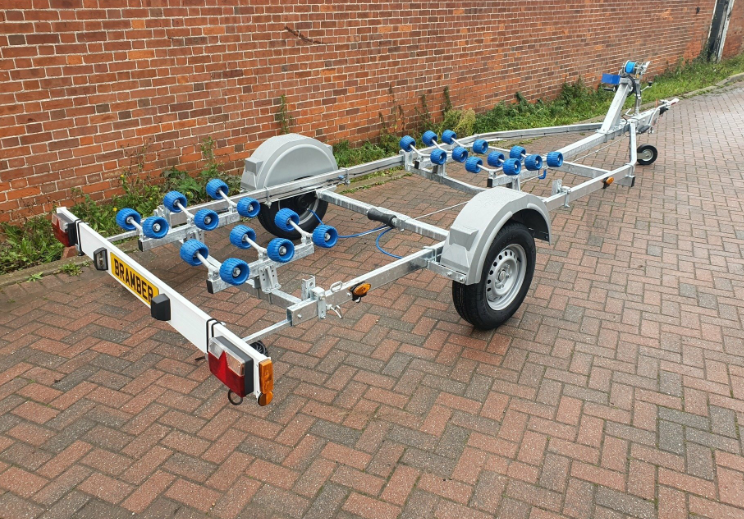
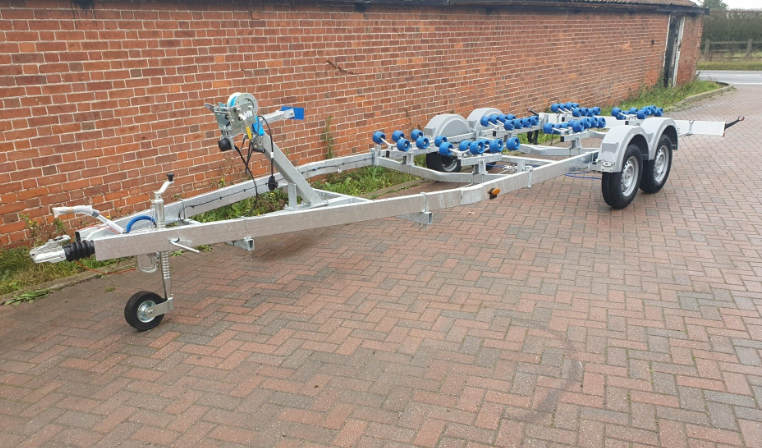
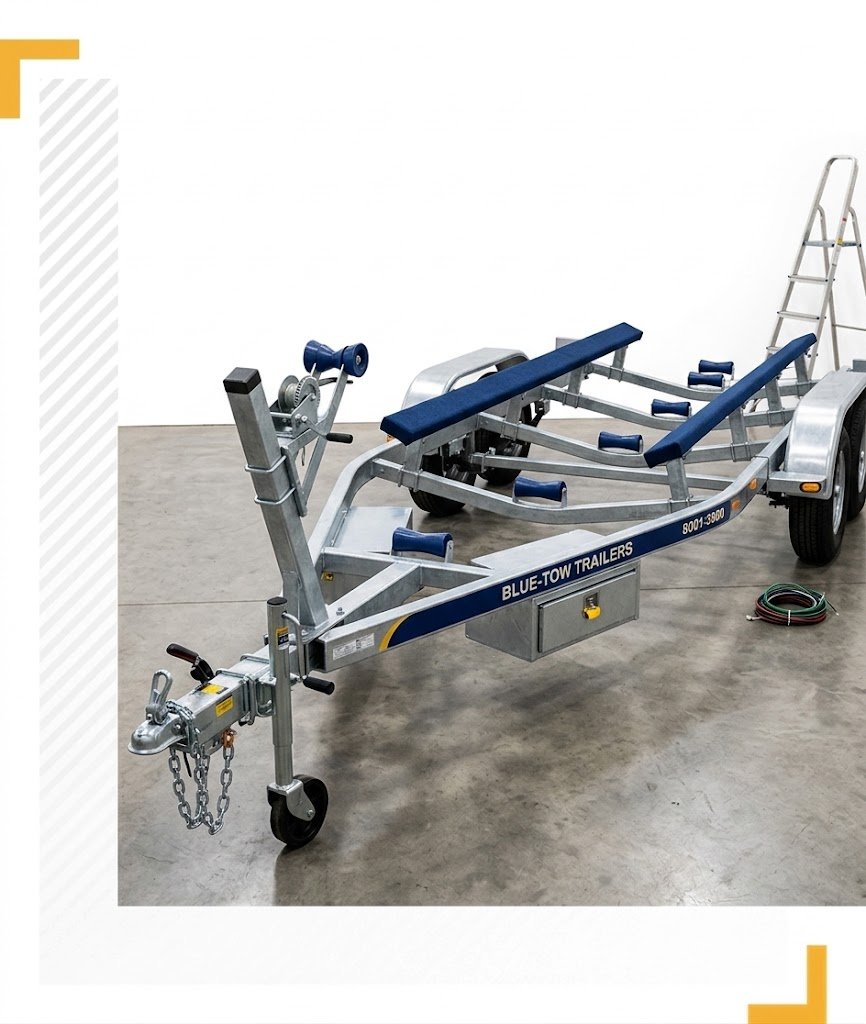
Hot-Dipped Galvanized Frame for Maximum Rust Protection, Galvanized Hardware, Axles and Wheels Throughout the Trailer
Customer Reviews
What our clients say about us
I was skeptical at first, but this product completely exceeded my expectations. The build quality is top-notch, delivery was fast, and it works exactly as advertised. I won't be shopping anywhere else!
Simple, reliable, and durable. You can tell real thought went into the design. It has already saved me hours of hassle on my projects.
Working with this team was a game-changer for our business. They delivered our project on time, stayed on budget, and walked us through every step of the process. Highly recommended!
Their attention to detail and customer support are unmatched. Whenever we had a question, they responded within minutes. Professional from start to finish.
The interface is intuitive, setup took less than 10 minutes, and it seamlessly fit into our existing workflow. Our team's productivity jumped significantly in the first week alone.
FREQUENTLY ASKED QUESTIONS
Check your boat’s overall length (LOA), beam (width), and wet weight (boat + motor + fuel + gear). Choose a trailer with a weight capacity exceeding your total wet weight by at least 10–15% to ensure safety.
- Bunk Trailers: Support the hull using padded wood or plastic boards. They require driving or winching the boat into deeper water to launch and load, but offer superior hull support and lower maintenance.
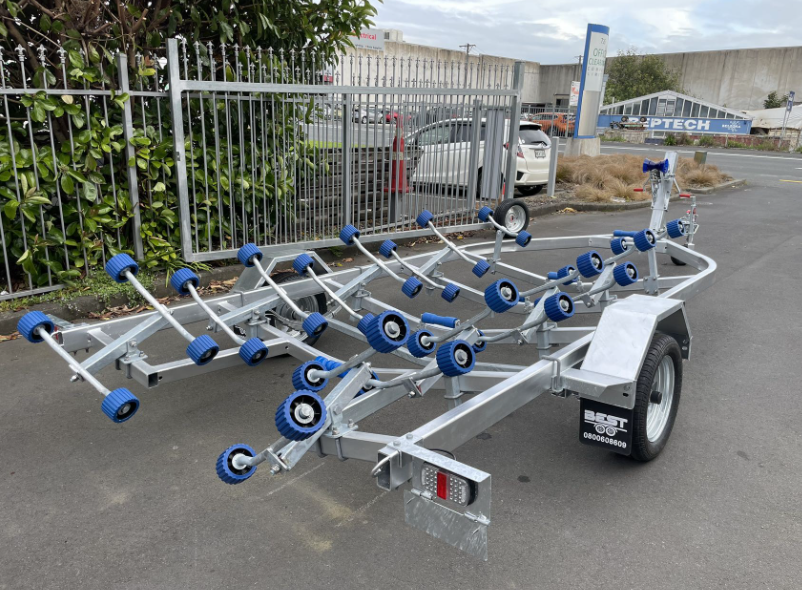
- Roller Trailers: Use cylindrical rollers to roll the boat off and on. They allow launching and retrieval in shallower waters or steep ramps, but require more moving parts maintenance.
- Single Axle: Ideal for lighter boats (typically under 3,000 lbs / 1,360 kg). Easy to maneuver by hand and lower maintenance costs.
- Tandem Axle: Essential for heavier loads. Provides better stability at highway speeds and safety in the event of a tire blowout.
Inspect wheel bearings annually or every 2,000 miles (3,200 km). Repack them with marine-grade grease at least once a season, especially if launching in saltwater.
Yes, thoroughly wash the frame, brakes, axles, and lights with fresh water immediately after every saltwater immersion—even if the trailer is galvanized or aluminum.
Inflate tires to their maximum PSI listed on the sidewall, park on wooden blocks rather than cold ground, or use tire covers to block UV rays. Alternatively, elevate the trailer on jack stands to take the weight off the tires.
Target a tongue weight between 10% and 15% of the total gross trailer weight (trailer + boat + gear). Too little weight causes dangerously instability (trailer sway); too much overloads your tow vehicle's rear suspension.
Regulations vary by region, but most jurisdictions require independent trailer brakes on rigs with a Gross Vehicle Weight Rating (GVWR) over 3,000 lbs (1,360 kg). Surge brakes or electric-over-hydraulic brakes are standard